

Construction · August 2, 2026
Slab Shield: Protecting Concrete Slabs from Water, Cracks & Damage
Concrete slabs are essential structural components used in residential buildings, commercial properties, industrial facilities, rooftops, terraces, balconies, and basements. However, continuous exposure to rain, moisture, sunlight, temperature changes, and physical wear can affect their durability over time.
Construction Slab Shield provides an additional layer of protection for concrete surfaces, helping reduce moisture penetration, water seepage, surface damage, and other common construction-related issues.
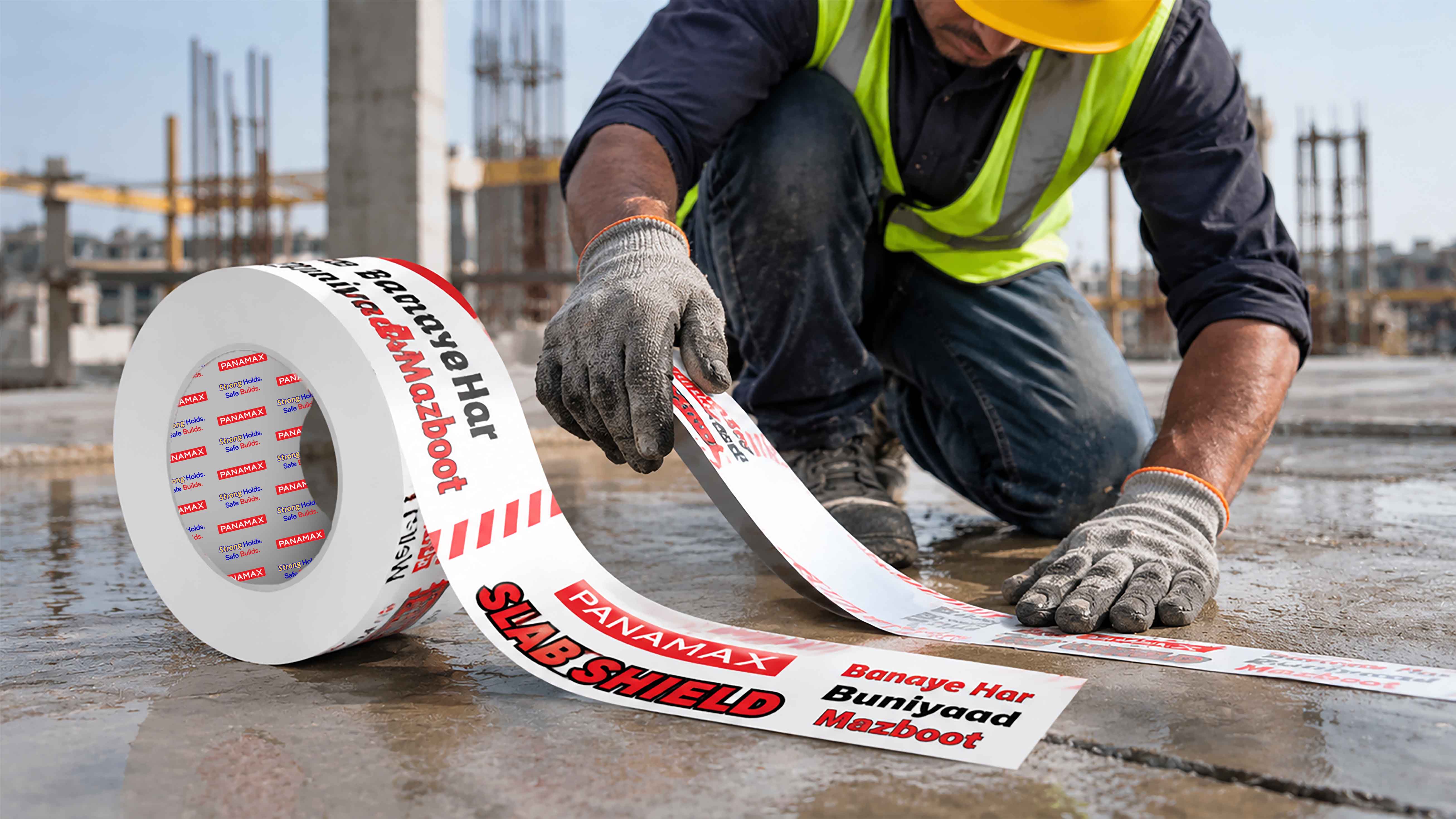
Why Is Slab Protection Important?
Water and moisture are among the major causes of concrete deterioration. When moisture enters cracks, joints, or porous areas, it can lead to:
- Water seepage and dampness
- Surface deterioration
- Cracks and damage
- Reinforcement corrosion
- Increased repair and maintenance costs
Using an appropriate slab protection solution can help minimize these risks and improve the long-term performance of concrete surfaces.
Key Benefits of Construction Slab Shield
1. Protection Against Moisture
Helps protect concrete slabs from rain, humidity, and moisture exposure, especially in outdoor areas.
2. Helps Reduce Water Seepage
Creates an additional protective barrier that can help reduce water penetration through vulnerable areas.
3. Supports Concrete Durability
Helps protect concrete from environmental exposure, temperature fluctuations, and everyday surface wear.
4. Helps Prevent Surface Damage
Provides additional protection against dust, debris, movement, and minor construction-related impacts.
5. Reduces Maintenance Requirements
Early protection can help minimize moisture-related problems and reduce the need for frequent repairs.
Common Applications
Construction slab protection can be used for:
- Residential rooftops and terraces
- Commercial buildings
- Industrial floors and structures
- Balconies
- Basements and foundations
- Concrete roofs and exposed slabs
Best Practices for Slab Protection
Before applying any protection solution, the concrete surface should be properly cleaned and inspected. Dust, oil, loose material, and other contaminants should be removed. Existing cracks and joints should be treated as recommended, and the manufacturer's application instructions should be followed carefully.
Conclusion
Proper concrete slab protection can help prevent moisture-related problems, reduce surface deterioration, and support the long-term durability of a building.
Whether it is a residential terrace, commercial structure, or industrial facility, choosing the right Construction Slab Shield according to the site's requirements can be a practical step toward better concrete protection and reduced maintenance.
Protect your concrete today for a stronger and more durable structure tomorrow.